Corporate gifting used to be simple. Order a bunch of stuff, slap a logo on it, hand it out everywhere, and call it a day.
That era is pretty much over.
Today, the smartest brands are pulling back. Not because they don't believe in corporate gifts, but because they do. They understand that every branded item says something about them, whether they mean it to or not.
And the data backs that up.
Corporate Gifts Are a Reflection of Your Brand
When someone receives a corporate gift, there's an instant gut reaction.
Does this feel thoughtful?
Does it feel cheap?
Would I actually keep this?
That reaction gets attached directly to the brand.
A great gift quietly builds trust.
A bad one creates doubt.
Why Premium Brands Avoid Cheap Corporate Swag
Think about Tesla. The brand stands for innovation, premium design, and forward thinking.
Now imagine Tesla hands out a flimsy plastic pen or a water bottle that cracks after a week.
That moment wouldn't destroy the brand, but it would feel wrong.
People would notice the disconnect:
"This doesn't feel like Tesla."
That's why premium brands are so careful with gifts. When the quality doesn't match the brand promise, it quietly chips away at credibility.
The Data Behind the Shift to Fewer, Better Corporate Gifts
This isn't just a creative opinion: it's a documented shift.
According to the Advertising Specialty Institute (ASI), companies haven't stopped spending on promotional products. Instead, they've consolidated budgets, choosing fewer items with higher perceived value rather than large volumes of cheap swag.
The logic is simple:
Less clutter
More impact
Lower brand risk
Quality Drives Recall (and That's Measurable)
Research from the Promotional Products Association International (PPAI) shows:
Over 80% of people can recall the brand on a promotional product they consider useful or high quality
Items kept for 6–12 months or longer generate dramatically more impressions than disposable swag
If the gift sticks around, the brand sticks around.
Cheap Swag Isn't Neutral Anymore
There used to be a belief that cheap swag was harmless. Worst case, it gets ignored.
But brand and procurement teams don't see it that way now.
Insights often cited by firms like Gartner show that brand consistency is treated as a real business asset. Anything customer-facing (including gifts!) is evaluated through that lens.
Low-quality branded items are increasingly viewed as a reputation risk, not a cost saver.
What "Better" Gifts Actually Look Like
When brands decide to give fewer gifts, they start asking better questions:
Would someone actually use this?
Does it feel aligned with who we are?
Does it encourage repeat interaction, not just a quick glance?
That's why practical, experience-driven items are becoming more popular than traditional desk swag.
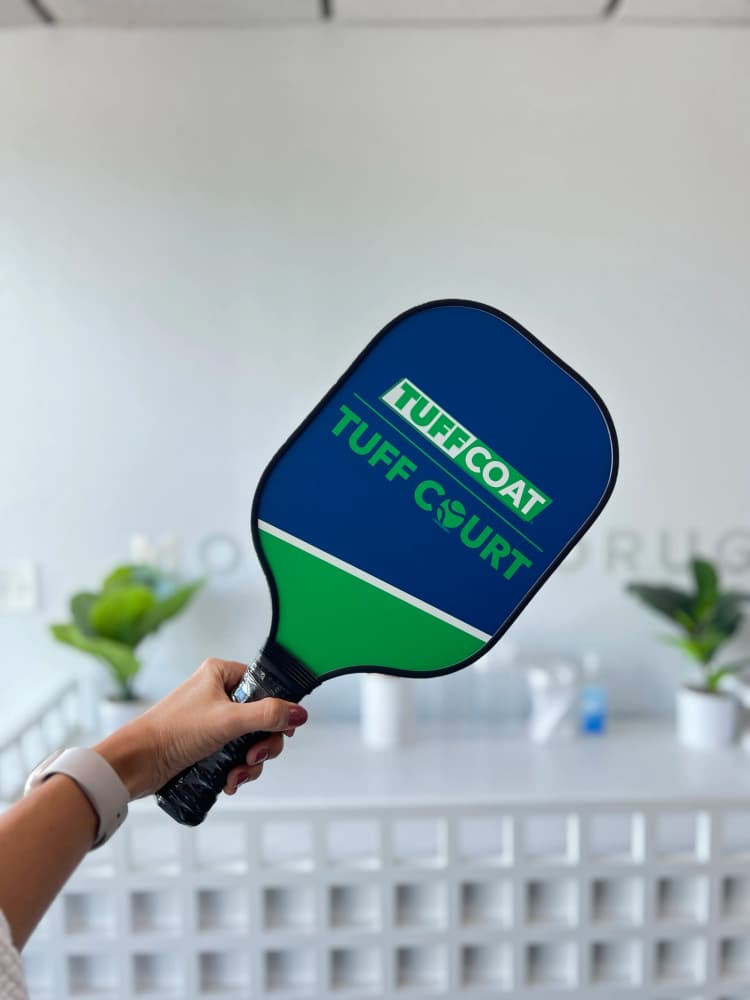
For example, a branded pickleball paddle checks a lot of the boxes modern brands care about, without being flashy or overdone. It's functional, built to last, and tied to an activity people genuinely enjoy. Instead of sitting in a drawer, it gets taken out, shared with friends, and used over and over again.
More importantly, it creates an experience. Not just a logo moment.
Fewer Touchpoints, More Meaning
Another part of this shift is timing. Brands are moving away from constant giveaways and focusing on moments that matter: company offsites, client events, partnerships, or employee milestones.
A high-quality gift in the right moment carries more weight than dozens of forgettable ones handed out indiscriminately.
The Big Takeaway
Top brands aren't giving fewer gifts because they care less.
They're giving fewer gifts because they care more.
They understand that:
Quality gifts drive stronger brand recall
Long-lasting items outperform disposable swag
Every branded product reinforces the brand story
The goal isn't to give more stuff.
It's to give something that feels intentional, useful, and true to the brand.
And that's exactly why fewer, better corporate gifts are becoming the standard.